Proven SEO Marketing Techniques to Boost Your Website Traffic
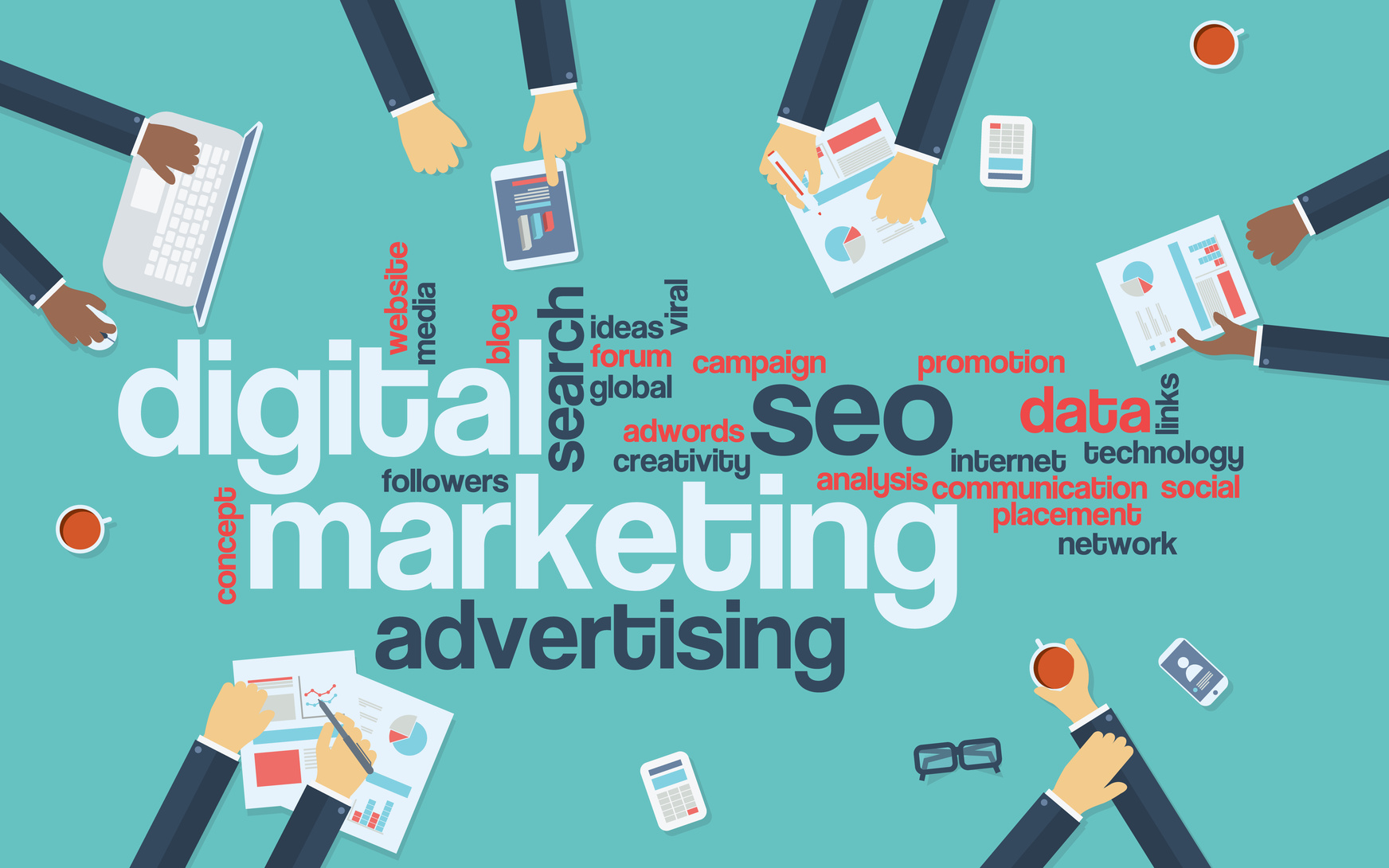
In today’s digital age, website traffic is crucial to the success of any business or online presence. SEO marketing remains one of the most effective methods to KomsGro Email Marketing increase organic traffic and improve search engine rankings. By implementing proven SEO techniques, businesses can not only enhance visibility on search engines but also drive high-quality traffic that leads to conversions. This article outlines actionable SEO strategies that can help boost your website traffic and ensure sustainable online growth.
The foundation of any successful SEO strategy starts with effective keyword research. In 2025, search engines are becoming more sophisticated in understanding user intent, so it’s essential to target keywords that align with what your audience is searching for. Use tools like Google Keyword Planner, Ahrefs, and SEMrush to find high-volume, low-competition keywords that fit naturally into your content. Long-tail keywords, which are more specific and less competitive, can be especially effective in attracting targeted traffic. A mix of short-tail and long-tail keywords ensures that you reach both broad and niche audiences, maximizing your potential for increased organic traffic.
Google and other search engines increasingly prioritize content that is not only relevant but valuable to users. In 2025, simply optimizing content for keywords is no longer enough. High-quality, user-focused content that answers the specific questions and needs of your audience will perform better. Focus on creating comprehensive, engaging, and informative articles, blog posts, and landing pages. Be sure to update existing content regularly, ensuring it remains relevant and optimized for new search trends. Incorporating multimedia elements like images, infographics, and videos also boosts user engagement and dwell time, which are factors that positively impact SEO.
On-page SEO plays a crucial role in boosting website traffic by ensuring that your content is discoverable and optimized for search engines. Make sure your website’s title tags, meta descriptions, and URL structure are clear, descriptive, and keyword-rich. Additionally, optimize your headings (H1, H2, etc.) to make it easy for search engines to understand the structure of your content. Internal linking also helps distribute page authority across your site and guides users to other relevant pages, increasing time on site and reducing bounce rates. Don’t forget about image alt text and video optimization, as these elements also contribute to better rankings and user experience.
Backlinks remain one of the most important off-page SEO factors for improving website traffic. Quality backlinks from reputable and authoritative websites signal to search engines that your content is trustworthy and valuable. Focus on earning backlinks through guest posting, partnerships, and collaborations with other relevant sites in your niche. Another effective method is creating link-worthy content, such as in-depth guides, research reports, or industry studies, that naturally attracts backlinks from other websites. Avoid low-quality backlinks or manipulative link-building tactics, as these can harm your rankings and SEO efforts in the long run.
With mobile-first indexing, Google now prioritizes mobile-friendly websites in its search rankings. To boost website traffic, ensure that your site is optimized for mobile users, offering a smooth and seamless experience across all devices. Responsive design is crucial for adapting content and layout to fit various screen sizes. Additionally, page speed is a significant ranking factor. Users expect fast-loading pages, and slow websites lead to higher bounce rates and decreased engagement. Use tools like Google PageSpeed Insights to test your site’s speed and implement best practices such as image compression, reducing JavaScript and CSS files, and leveraging browser caching to improve load times.
For businesses with a physical location or those targeting a specific geographic area, local SEO is a must. Optimizing your website for local search helps increase visibility for location-based queries, leading to more targeted traffic. Start by creating and optimizing your Google My Business profile, ensuring that all your business information, such as address, phone number, and hours of operation, is accurate and up to date. Additionally, include location-specific keywords in your content, titles, and meta descriptions to attract local customers. Encourage reviews from satisfied customers, as positive reviews on platforms like Google and Yelp can improve local rankings and drive traffic from users in your area.
In conclusion, boosting website traffic through SEO requires a holistic approach that encompasses keyword research, high-quality content, on-page and off-page optimization, mobile-friendliness, and local SEO. By applying these proven SEO marketing techniques, businesses can improve their search engine rankings, attract more visitors, and convert that traffic into loyal customers. SEO is a long-term strategy, but with the right approach, the results can significantly impact your website’s visibility and growth.
