Property Inspection: Ensuring Safety, Value, and Peace of mind in Real estate
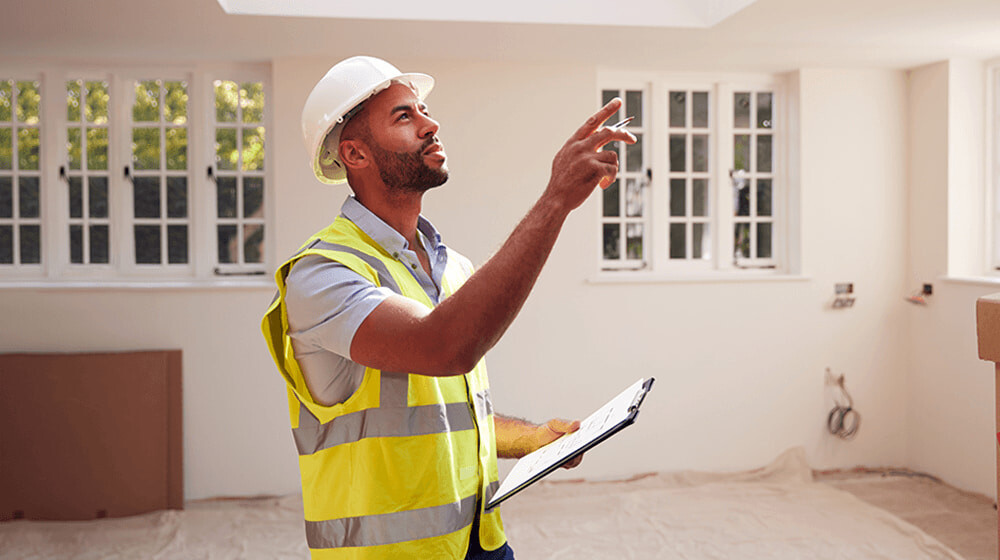
Property inspection is a foundational step in any real estate transaction, offering critical insights into the condition of a property before final commitments are made. Whether buying, selling, or renting, a professional property inspection provides a thorough assessment of a building’s structural and functional integrity. From the roof and foundation to the electrical 滲水公證行 wiring and plumbing systems, the inspection helps uncover existing or potential issues that may impact the property’s value, safety, or livability. In an industry where appearances can be deceiving, property inspections serve as a reality check, empowering all parties to make informed, confident decisions.
For homebuyers, a property inspection is often the most valuable tool for protecting their investment. While a property might look perfect on the surface, underlying problems such as termite infestations, water leaks, mold, or outdated wiring can only be detected through a detailed inspection. The inspector examines all major systems and structural components, documenting their findings in a comprehensive report. This report enables buyers to request necessary repairs or negotiate a better price. In some cases, it may even influence the decision to walk away from a deal that poses long-term financial or safety risks.
Sellers can also gain significant advantages by conducting a pre-listing inspection before putting their property on the market. This proactive approach helps identify and address issues ahead of time, which enhances the property’s appeal and may justify a higher asking price. By being transparent about the condition of the property, sellers build trust with potential buyers and reduce the likelihood of last-minute renegotiations or deal cancellations. A clean inspection report can be used as a marketing tool, signaling to buyers that the property has been well-maintained and is move-in ready.
In rental and commercial real estate, regular property inspections are essential for maintaining compliance, safety, and tenant satisfaction. Landlords use periodic inspections to ensure that tenants are treating the property responsibly and to catch maintenance issues early, such as HVAC problems, plumbing leaks, or structural wear. These inspections help preserve the value of the property and reduce costly emergency repairs. In commercial buildings, inspections go a step further by evaluating fire safety systems, elevators, accessibility standards, and energy efficiency. A well-inspected commercial property ensures the safety of employees and customers while also protecting the owner’s investment.
The inspection process itself is highly systematic and typically follows a detailed checklist to ensure no critical areas are overlooked. Professional inspectors examine both the exterior and interior of the property, checking roofing, siding, windows, doors, basements, attics, and more. Specialized tools like thermal cameras, moisture meters, and electrical testers help detect hidden problems. Once the inspection is complete, the inspector provides a detailed report, often with photographs and recommendations. This document is not only useful during the real estate transaction but also serves as a long-term reference for repairs, renovations, and maintenance planning.
In conclusion, property inspection is a non-negotiable step in responsible real estate transactions and property management. It offers clear visibility into the condition of a property, helping buyers avoid costly surprises, enabling sellers to present their properties confidently, and allowing landlords to maintain high standards. With so much at stake financially and personally, skipping an inspection can lead to significant setbacks. As the real estate market becomes more competitive and complex, relying on professional property inspections ensures that decisions are based on facts, not assumptions—ultimately safeguarding both investments and peace of mind.
