Interior design and Decoration: Creating Inspiring Spaces That Reflect Personality and Purpose
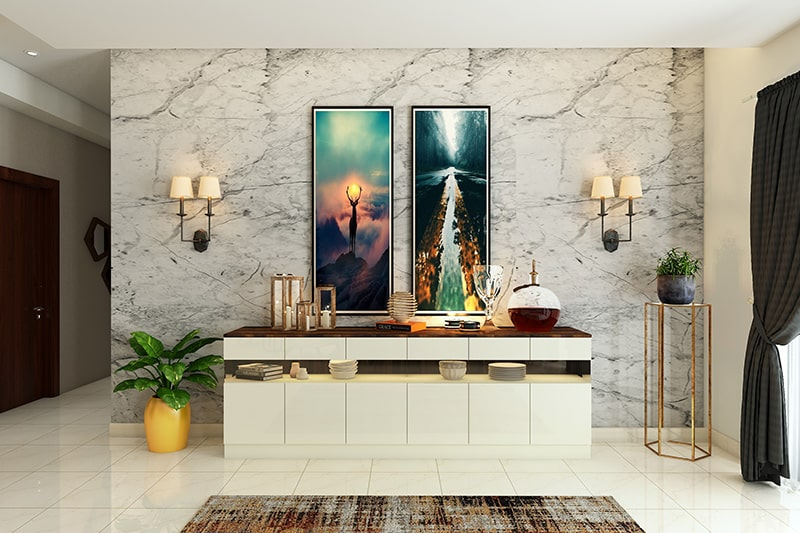
Interior design and decoration are essential elements 室內設計 in shaping the atmosphere, functionality, and aesthetic appeal of any space. Whether it’s a cozy apartment, a corporate office, or a luxurious hotel, how a space is designed significantly impacts how people feel and interact within it. Interior design involves the strategic planning and execution of layout, lighting, color schemes, furniture, and decor to enhance both form and function. By combining creativity with technical knowledge, interior designers and decorators transform ordinary environments into harmonious and inviting spaces tailored to individual needs and preferences.
One of the most powerful aspects of interior design is its ability to express personality and identity. Every choice—from furniture styles to wall colors—reflects the tastes, lifestyle, and values of the occupant. Homeowners may opt for warm tones and soft fabrics to create a cozy ambiance, while businesses might choose sleek, modern finishes to convey professionalism and innovation. Through a careful blend of elements such as artwork, lighting, textures, and spatial arrangement, interior decorators personalize each project to tell a story and evoke desired emotions. The goal is to make a space not just beautiful, but meaningful and functional.
Functionality is at the core of successful interior design. Beyond aesthetic appeal, a well-designed space must accommodate the activities and needs of its users. This means considering traffic flow, furniture placement, storage solutions, acoustics, and ergonomics. For instance, a kitchen must balance cooking efficiency with family gathering space, while a home office should promote focus and comfort. Designers often utilize tools like 3d modeling software and mood boards to plan layouts and test ideas before implementation. The result is an optimized environment that not only looks good but also works effectively for daily living.
Sustainability has become an increasingly important trend in modern interior design. Eco-conscious designers are now incorporating natural materials, energy-efficient lighting, and sustainable furniture into their projects. Repurposing vintage pieces, using low-VOC paints, and sourcing locally-made decor are ways to reduce environmental impact while maintaining style. Green design also considers indoor air quality, natural lighting, and temperature control to create healthier living environments. By merging environmental responsibility with aesthetic appeal, sustainable interior design supports both personal well-being and the health of the planet.
Technology is also playing a transformative role in interior design and decoration. Smart home systems allow users to control lighting, temperature, and security from their smartphones, while digital design tools streamline the creative process. Virtual reality (VR) and augmented reality (AR) technologies let clients “walk through” a space before any physical changes are made. Online platforms and apps have also made it easier for homeowners to visualize styles, explore color combinations, and even purchase furniture and decor. This digital evolution makes interior design more interactive, efficient, and accessible to a wider audience.
Ultimately, interior design and decoration are about creating spaces that enhance quality of life. A well-designed environment can boost mood, improve productivity, and foster relaxation or social interaction. Whether it’s a minimalist apartment that promotes calm or a vibrant retail space that stimulates customer engagement, design shapes human experience in powerful ways. As trends and technologies evolve, the essence of interior design remains the same: to thoughtfully craft spaces that reflect who we are and support how we live. With creativity, functionality, and sustainability at its heart, interior design continues to enrich lives one room at a time.
