Economic and Financial Intelligence in International Trade: Applications and Strategies
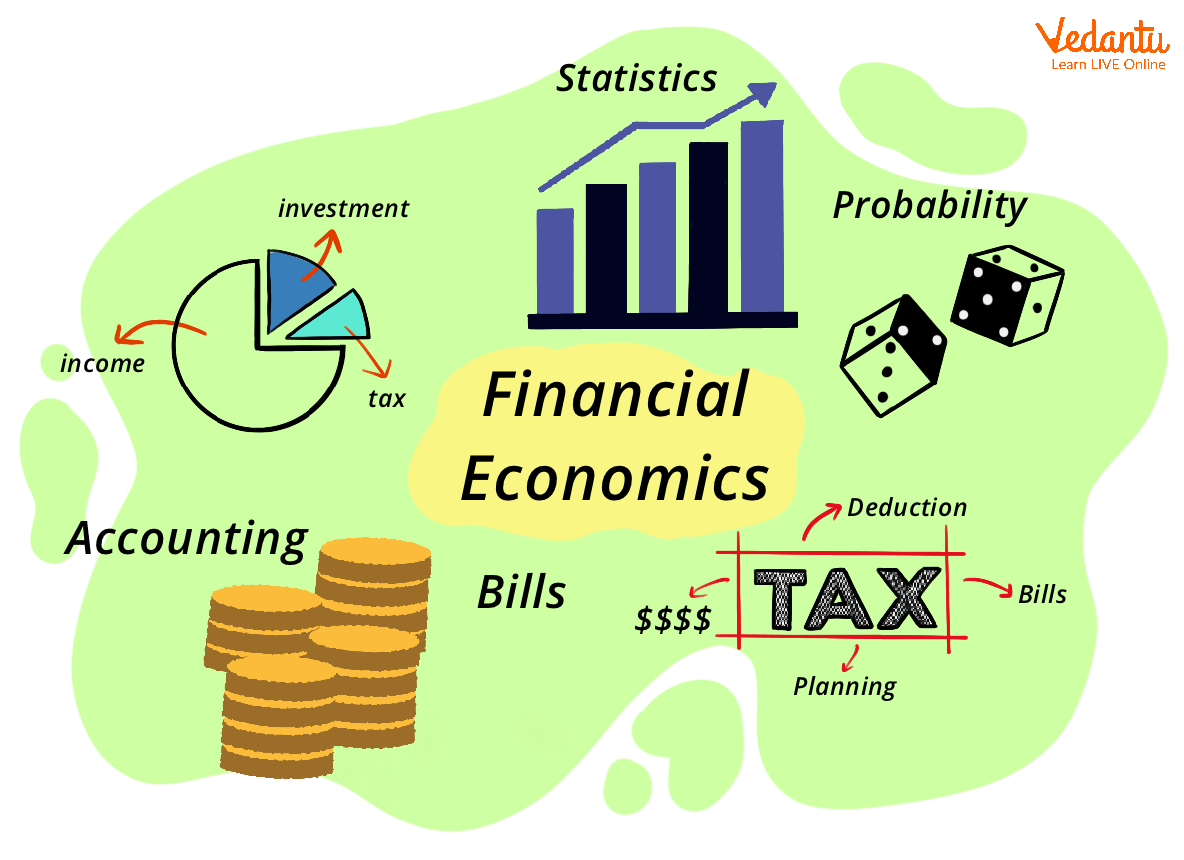
Economic and Financial Intelligence is a crucial discipline that combines the analysis of economic indicators with financial data to support informed decision-making. It involves systematically gathering, interpreting, and applying information from various sources to understand economic conditions, evaluate financial performance, and Básicos de Inteligencia Económica y Financiera forecast future trends. This field is indispensable for businesses, investors, and policymakers, as it enables them to make strategic decisions that enhance performance, manage risks, and navigate the complexities of both domestic and global markets.
Economic Intelligence involves analyzing key macroeconomic indicators such as Gross Domestic Product (GDP), inflation rates, unemployment rates, and interest rates. GDP measures the total value of goods and services produced in an economy, serving as a primary indicator of economic health and growth. Inflation rates track changes in the cost of living, affecting consumer purchasing power. Unemployment statistics provide insights into labor market conditions, while interest rates influence borrowing costs and investment decisions. By evaluating these indicators, analysts can forecast economic trends, assess their impact on various sectors, and develop strategies to address potential economic shifts.
Financial Intelligence focuses on the detailed analysis of financial data from companies and financial markets. This includes scrutinizing financial statements—balance sheets, income statements, and cash flow statements—to assess a company’s financial health and operational efficiency. Financial intelligence also involves monitoring market data such as stock prices, bond yields, and investment returns. Investors and financial managers use this information to make strategic decisions regarding asset allocation, risk management, and investment opportunities. Accurate financial analysis is essential for identifying lucrative opportunities, managing financial risks, and ensuring long-term financial stability.
Market Dynamics are a significant aspect of financial intelligence, involving the study of factors that affect financial markets and economic systems. These factors include shifts in supply and demand, regulatory changes, and geopolitical events. Analysts must stay informed about financial news, technological innovations, and global economic developments to understand how these elements impact market behavior. A thorough grasp of market dynamics allows businesses and investors to adjust their strategies, manage risks effectively, and take advantage of favorable conditions. This knowledge is crucial for maintaining a competitive edge and making informed decisions in an ever-evolving financial landscape.
In practice, the application of economic and financial intelligence has profound implications across different sectors. Businesses use this intelligence to drive strategic planning, budgeting, and pricing decisions. Investors rely on detailed financial analysis to make informed choices about their portfolios. Policymakers leverage economic intelligence to craft policies that promote economic stability and growth. By effectively utilizing economic and financial intelligence, stakeholders can enhance their decision-making processes, navigate uncertainties, and achieve their objectives in a complex and interconnected global economy.
