Caloric Differences in Homemade vs. Store-Bought Lentil Soup
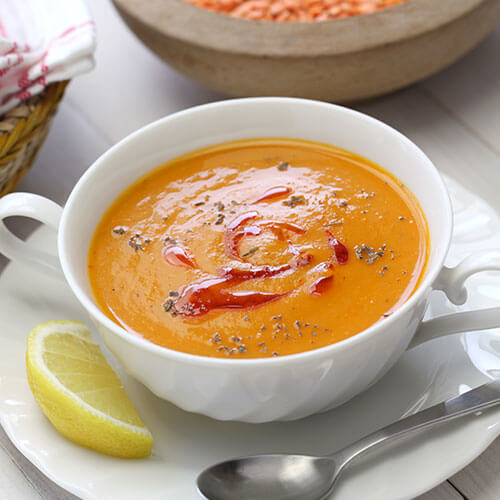
Lentil soup is a cherished dish in many cultures due to its comforting nature and numerous health benefits. It is recognized for being both filling calories in lentil soup and nutritious, making it a popular choice for those seeking a balanced meal. Understanding the calorie content of lentil soup is essential for those who are monitoring their dietary intake or aiming to maintain a healthy lifestyle.
A standard serving of lentil soup, typically around one cup or 240 milliliters, generally contains between 150 and 200 calories. The specific calorie count can vary based on the recipe and the ingredients used. Lentils, the primary ingredient, are low in calories but high in essential nutrients, contributing to the soup’s healthful profile.
Lentils themselves are relatively low in calories. For example, a half-cup serving of cooked lentils provides about 115 calories. Lentils are an excellent source of dietary fiber and protein, both of which play a role in the soup’s filling effect. The fiber content in lentils is particularly high, with approximately 7 to 8 grams per half-cup serving. This high fiber content supports digestive health, helps regulate blood sugar levels, and contributes to a sense of fullness, which can aid in weight management.
The overall calorie content of lentil soup can be influenced by various additional ingredients and cooking methods. Common additions include vegetables such as carrots, celery, onions, and tomatoes. These vegetables generally add minimal calories but contribute essential vitamins, minerals, and flavor to the soup. However, if the recipe includes higher-calorie ingredients like olive oil, butter, or meats, the calorie content can increase. For example, adding a tablespoon of olive oil can contribute approximately 120 calories. Similarly, incorporating fatty meats such as bacon, sausage, or ham can significantly raise the total calorie count.
The type of broth used in lentil soup also impacts its calorie content. Broths made from vegetables or chicken are typically lower in calories compared to richer, creamy broths. Creamy versions of lentil soup, which may include dairy products like cream or milk, tend to have a higher calorie count due to the added fat. These creamy variations are more calorically dense compared to broth-based soups.
Portion size is another important factor in determining the total calorie content of lentil soup. While a standard serving is usually one cup, consuming larger portions will naturally result in a higher caloric intake. Therefore, portion control is crucial for those who are tracking their calorie consumption.
Despite its calorie content, lentil soup offers a range of nutritional benefits. Each serving provides a moderate amount of protein, around 9 grams, which supports muscle repair and various bodily functions. Additionally, lentil soup is a good source of essential nutrients such as iron, folate, and potassium, which contribute to overall health and well-being.
For those aiming to enjoy lentil soup while managing their calorie intake, choosing recipes with minimal added fats and focusing on broth-based versions with a variety of vegetables can help keep the calorie count lower. Opting for lean ingredients and controlling portion sizes can enhance the nutritional profile of the soup without significantly increasing its calorie content.
In conclusion, lentil soup is a nutritious and filling meal with a typical calorie range of 150 to 200 calories per cup. The calorie content varies depending on the ingredients and preparation methods used. By selecting healthier ingredients and managing portion sizes, lentil soup can be a satisfying and healthful addition to a balanced diet.
